
 Company Profile
 Business Licenses & Corporate Certifications
 Trademarks & Brands
 Join Us
 International Commodity Trade and Economic Cooperation
 Enterprise Going Global
 Asset Operation
 Investment And Financing Management
Global Trade in 2026:Eight Policy Changes Reshaping Pricing, Supply Chains, and Profitability
Release time:2026-03-11 Page views:387
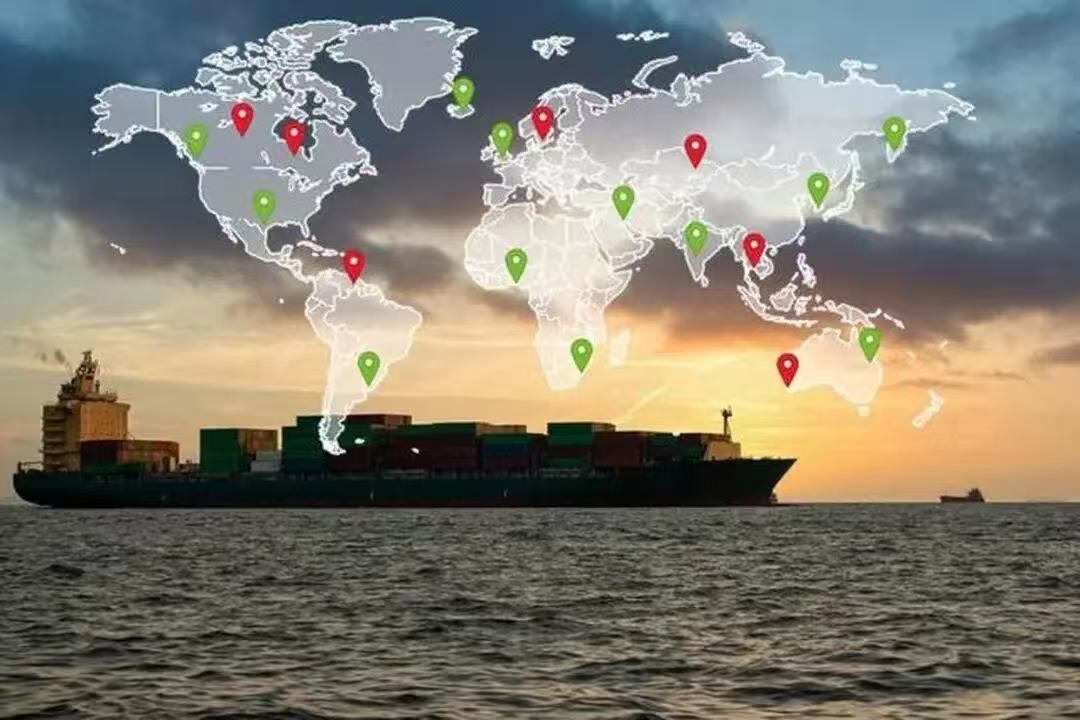
For Chinese exporters, 2026 has begun in a far more complex policy environment than in previous years. A series of new regulations and trade measures are now directly influencing corporate cost structures, pricing strategies, supply chains, and market access.
Understanding these policy shifts is becoming essential for export-oriented companies seeking to remain competitive in global markets.
Below are eight major developments that are reshaping the landscape of international trade.
1. Full Implementation of the EU Carbon Border Adjustment Mechanism (CBAM)
Policy Overview
From January 1, exports of high-energy-intensive products such as steel, aluminum, and cement to the European Union must declare their full lifecycle carbon emissions. These disclosures will form the basis for carbon tariff payments beginning in 2027.
Failure to report emissions data or submitting non-compliant data may lead to customs clearance delays or financial penalties.
Market Impact
For steel producers, the additional carbon cost could increase by approximately RMB 1,200–5,600 per ton, potentially reducing gross margins by 30–50%.
Downstream buyers in Europe are increasingly requiring carbon footprint verification from suppliers, which may gradually phase out producers with higher carbon intensity.
Recommended Actions
Companies exporting to the EU should begin implementing comprehensive carbon accounting systems, obtain third-party verification, and evaluate opportunities to reduce emissions through process improvements or overseas low-carbon production capacity.
2. Revised Foreign Trade Law of China Comes into Effect
Policy Overview
The revised Foreign Trade Law took effect on March 1, strengthening regulatory requirements in areas including environmental protection, intellectual property protection, and labor compliance. The revision also aligns China’s regulatory framework more closely with high-standard international trade agreements such as the CPTPP.
Market Impact
Export companies are now expected to establish end-to-end compliance management systems. Violations may result in suspension of export licenses or financial penalties.
Conversely, companies with strong compliance systems may benefit from smoother customs procedures and faster tax refund processing.
Recommended Actions
Companies should conduct internal compliance audits and establish ongoing compliance monitoring mechanisms covering environmental, labor, and intellectual property standards.
3. New Export Tax Refund Deadline: 36 Months
Policy Overview
For goods exported after January 1, export tax refunds must be claimed within 36 months. If the deadline is missed, the transaction will be treated as a domestic sale and companies must pay 13% VAT and related surcharges.
Market Impact
For example, a delayed refund on a RMB 1.2 million order could result in losses exceeding RMB 170,000.
Cross-border e-commerce companies may face higher risks due to complex logistics processes and longer transaction cycles.
Recommended Actions
Companies should establish internal tax refund tracking systems and early warning mechanisms to ensure deadlines are met.

4. Expansion of India’s BIS Mandatory Certification
Policy Overview
Beginning February 1, India expanded its BIS mandatory certification requirements to include 1,463 product categories, including XR equipment, UPS systems, and household appliances.
Products without BIS certification cannot enter the Indian market.
Market Impact
Certification typically requires two to three months and may cost RMB 50,000–100,000 per product.
Companies that fail to prepare in advance may lose access to the Indian market.
Recommended Actions
Exporters should begin certification procedures for key products six to twelve months in advance and coordinate with testing institutions while clarifying cost-sharing arrangements with buyers.
5. Thailand and Turkey Remove Duty-Free Thresholds for Small Parcels
Policy Overview
As of February 1, Thailand has removed duty-free treatment for parcels valued under RMB 380, while Turkey has removed exemptions for parcels under RMB 450.
All such shipments are now subject to VAT and customs duties.
Market Impact
A product valued at RMB 300 may see its cost increase by around RMB 30, while a RMB 400 product could face an additional RMB 72 in taxes.
At the same time, customs clearance times may extend to three to seven days.
Recommended Actions
Companies should reassess pricing strategies, increase average order value, and consider establishing local warehousing solutions to optimize delivery efficiency.
6. Mexico Introduces Import Surcharges
Policy Overview
Starting February 15, Mexico introduced import surcharges ranging from 10% to 50% on 1,463 product categories. For many electromechanical products and consumer goods, the surcharge rate falls between 20% and 50%.
Market Impact
For example, a small appliance priced at RMB 1,000 may face an additional cost of roughly RMB 300.
This creates a difficult position for exporters, who must balance shrinking margins against the risk of losing customers if prices increase.
Because the surcharge must be paid upfront, it may also increase pressure on working capital.
Recommended Actions
Companies may consider partnering with local distributors, establishing regional warehousing, increasing product value-added, or exploring manufacturing capacity in nearby markets.
7. EU Raises Anti-Subsidy Duties on Dairy Products
Policy Overview
From February 1, the European Union increased anti-subsidy duties on imported dairy products such as milk powder and cheese by 10–25%.
Market Impact
Export costs for milk powder may rise by approximately RMB 3,800 per ton, significantly reducing export margins.
At the same time, customs inspections have become more stringent.
Recommended Actions
Companies should review subsidy structures carefully, prepare complete documentation, and explore cost-sharing mechanisms with European buyers.
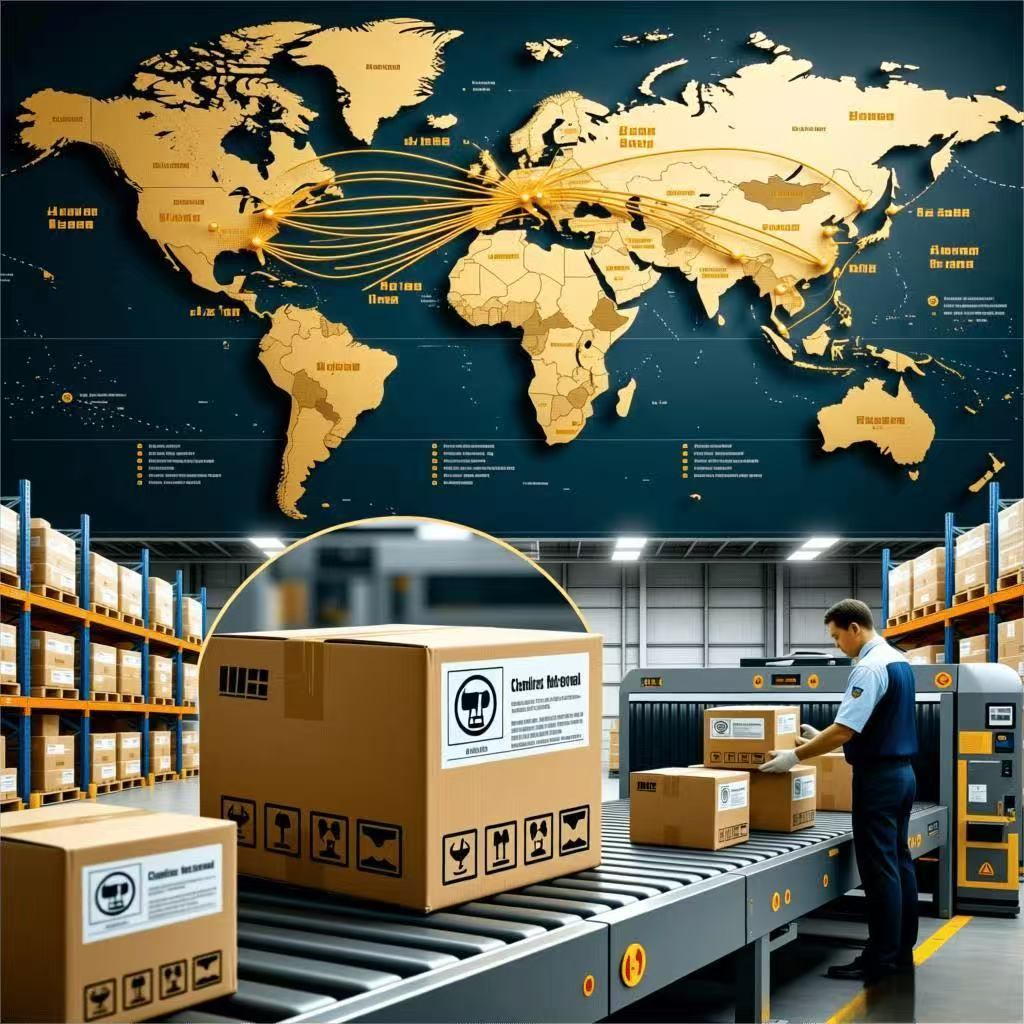
8. Acceleration of Global Supply Chain Regionalization
Policy Overview
Regional trade agreements are increasingly shaping supply chains.
Under RCEP, products must contain at least 40% regional value content to qualify for preferential tariffs. Meanwhile, USMCA requires 75% of automotive components to originate within North America.
Market Impact
Companies that fail to adapt their supply chains may face higher costs or restricted market access.
Recommended Actions
Exporters should evaluate multi-regional supply chain strategies, diversify sourcing, and strengthen partnerships with key regional players.
Strategic Responses for Exporters
1. Compliance as the Baseline
Compliance should become a core operational requirement. Regulations related to carbon emissions, intellectual property, and labor standards must be integrated into daily management practices.
Without compliance, market access itself may become impossible.
2. Transformation as a Competitive Advantage
Policy pressure can also create opportunities for transformation. Companies that invest in low-carbon production, product innovation, and technology upgrades may gain long-term competitive advantages.
3. Collaboration Across the Supply Chain
The complexity of global trade increasingly requires cooperation across the supply chain.
Closer collaboration between manufacturers, distributors, industry associations, and professional service providers can help companies share resources and manage risks more effectively.

Conclusion
2026 may become a defining year of structural change in global trade.
Companies that adapt quickly to new regulatory environments and evolving supply chains will be better positioned to capture emerging opportunities. Those that remain passive risk falling behind in an increasingly competitive market.
In today’s rapidly evolving trade landscape, agility and strategic adaptation will determine long-term success.
 WeChat official
 Email login