
 Company Profile
 Business Licenses & Corporate Certifications
 Trademarks & Brands
 Join Us
 International Commodity Trade and Economic Cooperation
 Enterprise Going Global
 Asset Operation
 Investment And Financing Management
Cassava at a Crossroads
Release time:2026-01-14 Page views:984
In 2025, the major cassava-producing countries of Southeast Asia stand at a critical juncture of industrial transformation. Traditional trade models are being challenged, the product structure is undergoing profound changes, and the entire industry has entered a crossroads filled with both variables and opportunities.
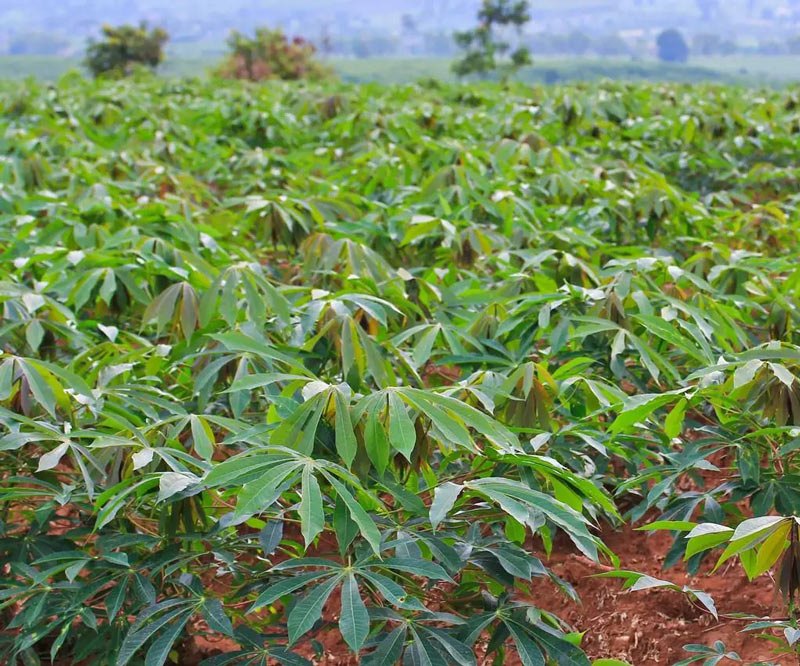
Current Status of the Cassava Industry in Four Countries: 2025 vs. 2024
Thailand, as the traditional cassava powerhouse, is projected to have a total cassava product output of 31 million tons in 2025, a slight decrease from 32 million tons in 2024. In terms of exports, the value of Thai cassava product exports is expected to reach $2.5 billion, remaining largely flat compared to 2024, but significant changes have occurred in the product mix.
Vietnam achieved a major breakthrough in 2025, with cassava production projected to reach 11 million tons, a 4.8% increase from 10.5 million tons in 2024. Even more notable is its export performance: Vietnam's cassava starch export volume surpassed Thailand's for the first time, making it the world's largest exporter of cassava starch.
Cambodia's cassava production is projected to reach 16.5 million tons in 2025, a modest increase from 16 million tons in 2024. Its export value is expected to be $750 million, a year-on-year growth of 6%. While maintaining traditional exports of cassava chips, Cambodia has also begun to expand its starch processing capacity.
Laos emerged as the biggest dark horse in 2025, with cassava production projected to reach 3.5 million tons, a significant 16.7% increase from 3 million tons in 2024. The export volume of cassava starch saw particularly rapid growth, surging over 30% year-on-year, markedly increasing its share in the international market.
Seasonal Anomaly: Behind the Unusually Slow Peak Season
December is traditionally the peak season for cassava chip trade, but the market in 2025 presented an unusual picture. Trading volumes for cassava chips declined significantly for both exporters and importers, a phenomenon particularly evident in Thailand and Cambodia. The reason is apparent: intense disputes along the border have severely disrupted the flow of cassava.
In contrast, the import and export volume of cassava starch grew against the trend. Data shows that cassava starch trade in Southeast Asia increased by approximately 15% year-on-year in December 2025, forming a stark contrast with the weakness in cassava chips. This structural shift indicates that market demand is moving from primary processed products towards deep-processed products.
Industrial Reshaping: The Dawn of the Starch Era
The loss of Thailand's leading position in cassava starch exports marks a fundamental change in the industrial landscape of Southeast Asia's cassava sector. Vietnam, leveraging substantial raw material inputs from Cambodia and more competitive pricing, has successfully captured market share. The remarkable rise of Laos demonstrates a multipolar trend in the region's cassava industry.
This transformation is driven by several key factors: growing global demand for standardized starch raw materials from the food industry; environmental policies restricting trade in primary processed products; the effectiveness of industrial upgrading policies in Southeast Asian countries; and changes in demand structure from major importing countries like China.
Industry Impact and Future Outlook
The shift in cassava product structure has garnered high attention from industry professionals. Traditional cassava chip traders face pressure to transformation, while starch processing enterprises are encountering new development opportunities. This transformation will not only affect trade flows but also reshape profit distribution across all segments of the industrial chain.
In the coming years, the Southeast Asian cassava industry is likely to continue leaning towards high-value-added products. Competition among countries in starch processing technology, product quality control, and brand building will intensify. For traditional cassava growers, adapting to this change and safeguarding their interests will become an urgent issue to address.
Standing at the crossroads of the cassava industry, participants across the trade chain need to reposition their competitive advantages and seek a new equilibrium in the changing market. This structural adjustment has only just begun, and its outcome will influence the global cassava trade landscape for the next decade.
 WeChat official
 Email login